Showing posts with label flooding. Show all posts

Friday, September 27, 2019

BLOG: Emergency Management and Drinking Water Protection Workshop

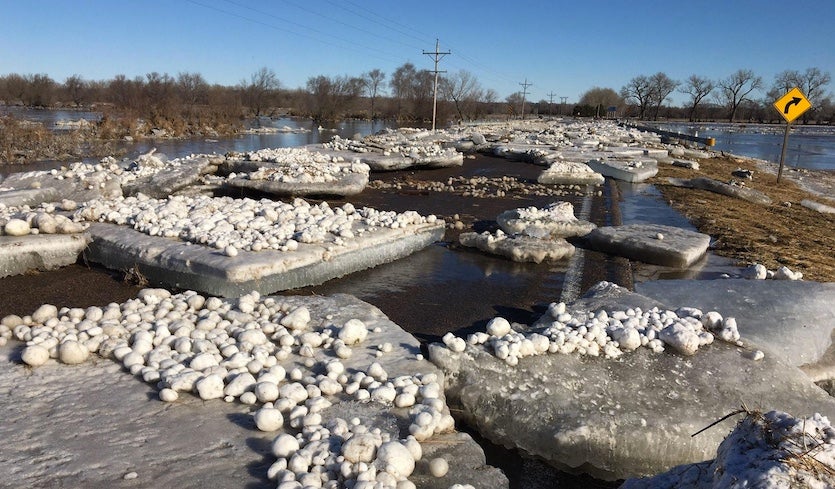
The effects of the historic flooding Nebraska experienced this spring are still being felt all these months later, and will continue to be felt into the future. A natural disaster such as this is a good opportunity to look at contingency planning for community drinking water supplies in the event of an emergency.

Image credit: Nebraska State Patrol

The Nebraska Wellhead Protection Network is hosting a workshop on the subject October 3, 2019 from 9:00 a.m. to 4:30 p.m. at Valley Irrigation (28800 Ida Street, Valley, Nebraska) and invites you to join us. "Emergency Management and Contingency Planning to Protect Nebraska's Water Supply" will cover:

  • Why having a comprehensive emergency management plan is important
  • How to develop an emergency management plan
  • Stories of how towns and businesses survived Nebraska's flooding this spring
The agenda includes:
Lunch and a tour of Valley's facilities, which were impacted by spring flooding, are generously provided by Valley Irrigation.

Join us and help your community be prepared for emergencies! Register by October 1.


Questions? Contact the Groundwater Foundation at info@groundwater.org or 402-434-2740.

Friday, October 5, 2018

BLOG: Protect and Prepare Your Well for Flooding

Heavy rainfall events are becoming more and more common, triggering devastating flooding. Hurricanes and strong thunderstorms have dumped massive amounts of rain on many parts of the U.S. recently, and experts fear it's getting worse.

If you're a well owner, you need to be prepared to deal with keeping your well safe before, during, and after flood and storm events.

1. Prepare, Prepare, Prepare
When a storm is imminent, take some time to protect your wellhead and pump if they're exposed to the elements. Covering or securing them can help protect them from any flying debris. If you don't have a surge suppressor on your pump, now is a good time to add one. Power surges during and after storms can damage a well's electrical components. Also, it's a good idea to fill your tub and sinks with water before the storm - if you lose power this water can be used to wash hands and flush toilets - as well as stock up on bottled water for drinking.

2. Ride Out the Storm
If your well loses power during the storm, make sure you turn off the pump at the circuit breaker and leave it off through the duration of the storm. Power outages can result in spikes/surges which can damage the well's components. Stay away from the well during the storm to avoid electrical shock.

3. After the Rain
If you didn't have any flooding, examine your well equipment for damage. If you see any damage, contact a professional before you attempt to turn on or operate the pump.

If your property has flooding, you'll want to be extra cautious. Do not turn on the power! Don't go near it for your safety and to avoid electrical shock. Wait until the water has receded before you approach the well. Don't drink the water or use it for cooking or washing - use an alternative source like bottled water. Get in touch with a qualified water well contractor or pump installer to get your well up and going.

Adapted from Wellowner.org's Hurricane/Flooding Resources

Thursday, February 22, 2018

BLOG: Flooding, Groundwater Contamination, and Your Family’s Safety

by Sally Phillips, freelance writer


All 50 states in the U.S. have experienced some level of flooding in recent years. It is the #1 natural disaster in the country, and from 2005 to 2014, flood insurance claims amounted to an average of $3.5 billion annually.  

But it’s not all about flood claims and fixing structures that were damaged by such a disaster. A less visible threat is water contamination after a major flood. Groundwater contamination is a big concern, as 50% of the country’s population get their drinking water from groundwater resources. It is also the country’s primary irrigation source.

How can flooding threaten groundwater?
In the event of a flood, contaminants from septic tanks, farms, storage tanks, uncontrolled hazardous waste, and landfills can flow into floodwaters. As the water subsides, these contaminants can enter groundwater. Water contamination following a flood can lead to serious waterborne diseases such as cholera, dysentery, and the like, affecting both public water systems and those relying on private wells for drinking water.

Contaminants from uncontrolled hazardous waste alone is a scary prospect. There are thought to be over 20,000 abandoned and uncontrolled sites in the United States today and if these areas are flooded, contaminants will find their way to the water source.

Living in a Flood Prone Area
If you live in a flood prone area, it is important to check your homeowners insurance for flood coverage, since many homeowners plans don't include flood damage. An average insurance claim of $42,000 are filed by American families after every flood. This is a huge expense for most families, which is why ensuring that you have flood coverage is very important. As experts say, it is better to have it and not need it than not to have it and need it.

Preparing for a Flood
Considering climate change and the natural disasters it has brought in the past decade, it is vital to be prepared for flash floods or flooding. Families can prepare for this type of natural disaster by assembling emergency kits and having basic items ready. Having crates for your pets is also a must. It is also advised that you prepare bug-out bags for your four-legged family members too. Preparing an escape plan is just as important. Knowing the routes to find higher ground is a great idea. Experts note that you should know these routes by heart so that you can keep your whole family safe. Making advance arrangements for a place to stay is also a good idea.

Apart from being prepared, one of the most important things to remember after a flood is to be careful of the water you drink. It is best to have bottled water on hand so you don’t have to drink water from the tap until supplies are safe after a flood event, helping protect you and your family from diseases brought about by possible water contamination.


__________

Sally Phillips is a freelance writer with many years experience across many different areas. She enjoys reading, hiking, spending time with her family, and traveling as much as possible. 


The views expressed in this blog are those of the author(s) and do not necessarily represent the view of The Groundwater Foundation, its board of directors, or individual members.